

Press release
Johannesburg, 18 May 2026 – The 14th Aviation Stakeholders Convention (ASC) was officially inaugurated this morning in Johannesburg, South Africa, under the theme “Resilient African Aviation: Partnerships – Empowerment – Profitability.” Jointly hosted by the African Airlines Association (AFRAA) and South African Airways (SAA), the three-day Convention brings together senior aviation decision-makers from across the globe to forge the partnerships and strategies necessary to unlock Africa’s aviation potential.
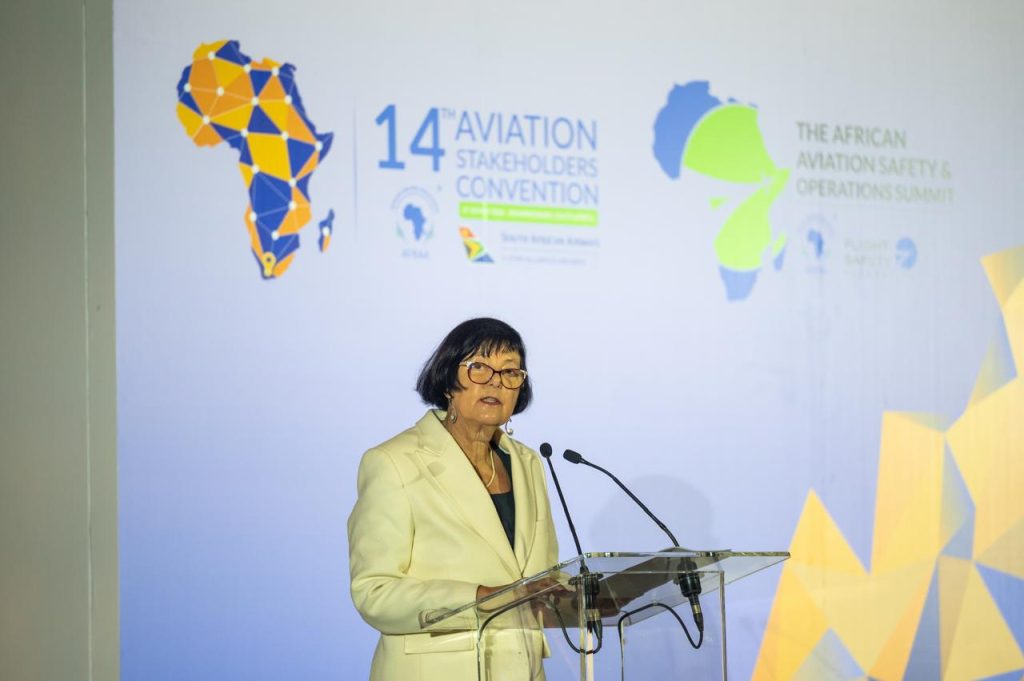
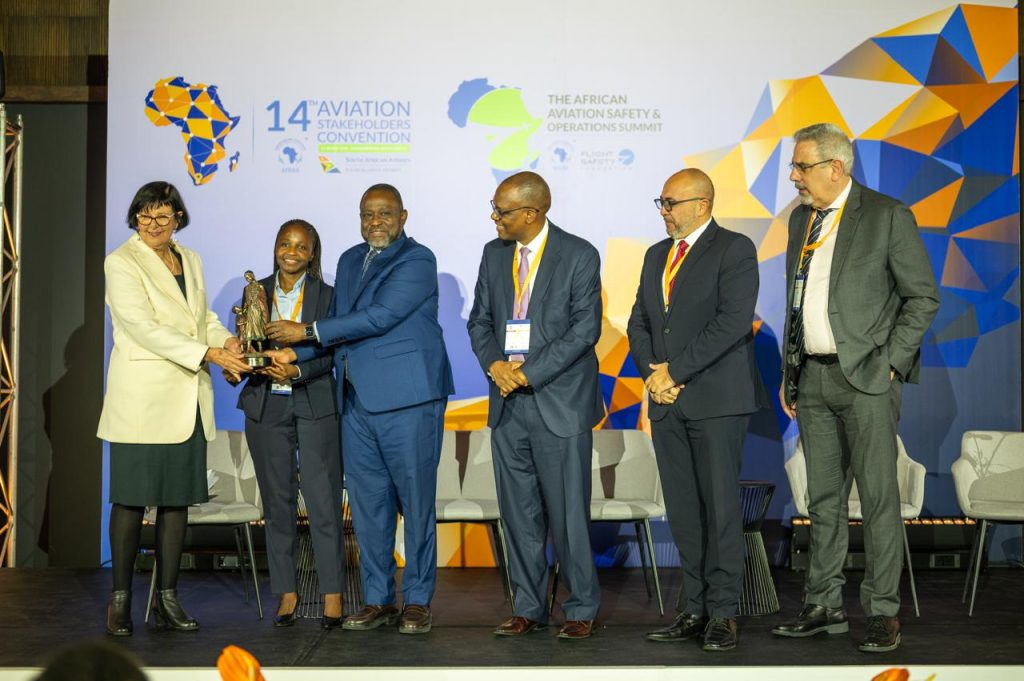
The Convention was officially opened by the Guest of Honour, Ms. Barbara Creecy, MP, Minister of Transport of the Republic of South Africa, who underscored the Government’s commitment to positioning South Africa and the broader continent as a leading force in global aviation. The opening ceremony was attended by an assembly of over 500 registered delegates comprising of airlines, regulators, airport authorities, financiers and aviation solution providers from close to 50 countries across Africa and beyond.
In his welcome address, Mr. Abdérahmane Berthé, Secretary General of AFRAA, set a candid and strategic tone, acknowledging that African aviation continues to operate in a highly complex and uncertain global environment, with geopolitical tensions, supply chain disruptions, currency pressures, rising operating costs, infrastructure gaps, and aircraft availability constraints placing unprecedented pressure on carriers. He reminded delegates that the continent’s fragmentation across 54 states, multiple regulatory frameworks, and hundreds of restrictive bilateral air services agreements makes collaboration among stakeholders not optional, but existential. He called on governments to treat aviation as an economic multiplier rather than a tax base, and urged the industry to prioritise the development and retention of African aviation professionals – pilots, engineers, safety managers and commercial managers – warning that a resilient African aviation industry cannot be built on talent trained only to be lost to other regions.
“The question is no longer whether Africa will grow, but whether African aviation will be sufficiently prepared and positioned to capture that growth sustainably and remain competitive. Survival is not the ambition. The ambition is to build an African aviation industry that connects this continent affordably and safely.” Mr. Berthé, Secretary stated.
Mr. Matshela Seshibe, Acting CEO of South African Airways and host of this year’s Convention, welcomed delegates to Johannesburg – Africa’s leading aviation, financial and industrial hub – and emphasised the importance of continental unity in the current operating environment, noting that “collaboration is no longer optional for African aviation, it is essential for survival, sustainability and long-term competitiveness.”
Captain George Kamal, Acting Group CEO of Kenya Airways and Chairman of the AFRAA Executive Committee, and Mr. Kamil Al-Awadhi, Regional Vice President for Africa and Middle East at IATA, also addressed the gathering, each calling for accelerated liberalization, infrastructure investment and cross-industry collaboration to narrow the gap between Africa’s aviation demand and its realized connectivity.
A critical moment for African aviation
Despite Africa’s impressive passenger growth, the continent’s airlines are forecast to generate a collective net profit of just US$200 million in 2026 – a margin of 1.3% or US$1.30 per passenger, compared to a global average of US$7.90. The Convention’s programme directly addresses this profitability gap through high-level plenaries, panel discussions, masterclasses and B2B sessions focused on structural solutions: fleet optimisation, hub competitiveness, digital transformation, sustainable financing and the opening of new markets.
The opening session, titled “Resilient Growth in a Fragmented Aviation Landscape,” set the tone for the Convention by addressing global uncertainty, geopolitical risks, regulatory divergence and infrastructure constraints, while positioning Africa as the next frontier for aviation growth.
Programme Highlights
The Convention was preceded on Sunday, 17 May by a series of AFRAA Committee Meetings, reinforcing the association’s role as the primary platform for operational coordination among African carriers. The AFRAA Distribution Committee, the Technical Operations & Training Committee, and the Route Network Coordination & Cargo Committee each convened in closed session, allowing member airlines to align on key industry priorities under the mandate of the committees. These working-level forums reflect AFRAA’s commitment to translating high-level policy dialogue into concrete, practical collaboration across the aviation value chain.
Also on the eve of the Convention, a dedicated Consultative Session was held for airline executives on the critical subject of fleet selection, acquisition and financing preparation. Facilitated by Mr. Raphael Haddad, President of Jetcraft Commercial, the session offered senior airline leaders a frank and practical guide to navigating one of African aviation’s most complex challenges. Drawing on market data and real-world transaction experience, Mr. Haddad walked participants through a strategic framework covering network-driven fleet planning, the trade-offs between new and pre-owned aircraft, the full acquisition process from business case to delivery readiness, and the range of financing structures available to African carriers and the role of regional development finance institutions. The session underscored that disciplined fleet strategy, combined with sound financing preparation, remains one of the most powerful levers available to African airlines seeking to convert the continent’s extraordinary growth potential into sustainable profitability.
Over three days, the Convention will feature industry leader keynote interviews with African airline CEOs on growth and sustainability; panel discussions on market access, environmental sustainability, smart travel technology and structural profitability; presentations on air connectivity, aviation hub competitiveness, space weather risk management, digital payments and air cargo as an economic catalyst; and masterclasses on airline loyalty strategies, fleet lifecycle management and airspace safety. The programme concludes with the 3rd African Aviation Safety & Operations Summit on 20 May, organised in partnership with the Flight Safety Foundation.
About the Convention
Now in its 14th edition, the Aviation Stakeholders Convention is AFRAA’s flagship annual business and policy engagement platform. It convenes top executives from airlines, civil aviation authorities, airports, air navigation service providers, OEMs, financiers and technology firms to shape policy dialogue, forge commercial partnerships and showcase solutions that advance African aviation. The 2026 edition is hosted by South African Airways in Johannesburg, 17–19 May 2026 under the high patronage of the Ministry of Transport of the Republic of South Africa. The event is being held back-to-back with the 3rd African Aviation Safety and Operations Summit from 19-20 May 2026 at the same venue.
About AFRAA
The African Airlines Association (AFRAA) is the leading trade association of African airlines. Founded in Accra, Ghana, in April 1968, and headquartered in Nairobi, Kenya, AFRAA’s mission is to promote, serve African Airlines and champion Africa’s aviation industry. The Association envisions a sustainable, interconnected and affordable Air Transport industry in Africa where African Airlines become key players and drivers to African economic development. AFRAA membership cuts across the entire continent and includes all the major intercontinental African operators. The Association members represent over 85% of total international traffic carried by African airlines. Facebook, LinkedIn, X and YouTube.
About South African Airways
With 92 years in the skies, South African Airways (SAA) is amongst Africa’s most awarded Skytrax airlines and the proud carrier of the South African flag, linking domestic, regional, and international destinations. SAA flies from Johannesburg to Abidjan, Accra, Durban, Dar es Salaam, Cape Town, Harare, Kinshasa, Lusaka, Lagos, Lubumbashi, Windhoek, Victoria Falls, São Paulo and Mauritius, (from Cape Town and Johannesburg), Perth, and Gqeberha (Port Elizabeth).
Since first taking to the skies in 1934, SAA has grown to include a passenger airline, a cargo transport service, and related services provided through its wholly owned subsidiaries, SAA Technical (SAAT) and Air Chefs. SAAT delivers high-quality maintenance services, major airframe checks, engine overhauls, mechanical components, avionics, and line maintenance to SAA and third parties. Air Chefs provides in-flight, airline lounges, and other catering services to airlines and third parties.
SAA Voyager, Africa’s leading loyalty program, rewards frequent travelers with exclusive benefits and offers members opportunities to earn and redeem miles. SAA Voyager enhances passenger experiences through upgrades, priority services, and access to a network of over 50 airline partners, including all members of the Star Alliance. SAA is a member of the Star Alliance network, established in 1997. It is the first truly global airline alliance and the largest airline network by market share.